
Dr. Nancy J. Dawson has lived many lives, but they are all rooted in land. A land that she sees as sacred.
“Overall, there is a disrespect,” Dr. Dawson explained. “Human beings see themselves as superior to the land and to the Earth, not one with it.”
Dawson’s original life plans never included farming. She was a professor, an academic—someone who sought to improve the world through education. However, life ultimately brought her to Russellville, Kentucky, a small city in Logan County where rural landscapes press right up against urban blocks.
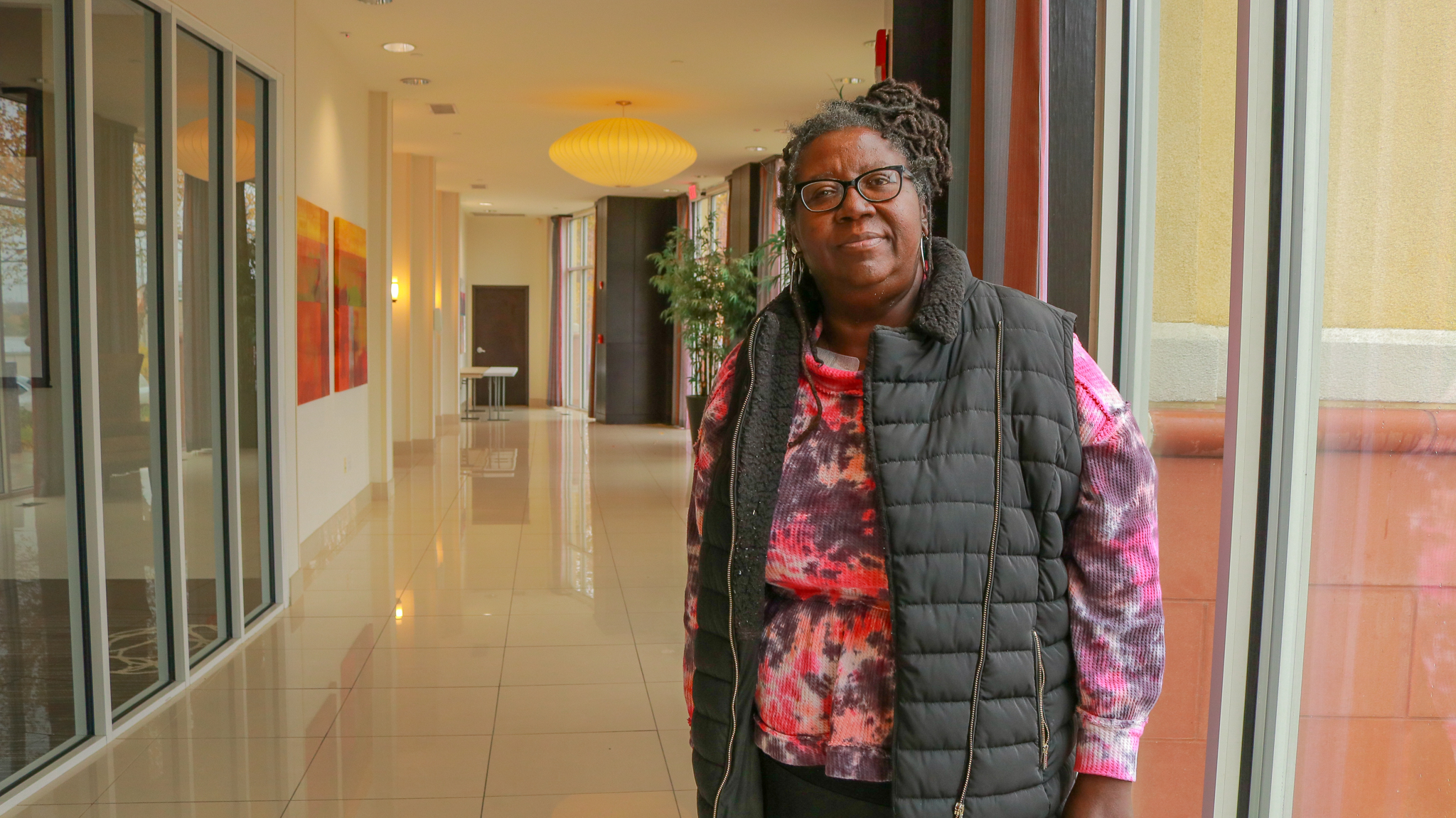
“I was teaching in New York, but the land slowly started to call to me,” Dawson said, adding the fact that she had fallen ill and needed access to more affordable fresh food. “I thought the best thing I could do was start growing my own food, because I knew how to do it, because I grew up doing it.”
On the back porch of her Russellville home, Dr. Dawson grew peppers, tomatoes, and other simple vegetables that filled the space. Before long, neighborhood children started stopping by the porch, drawn to the plants and asking questions. She quickly learned that the kids didn’t seem to understand the growing process: from seed to sprout, the entire process had been a mystery to them.
“They didn’t know how tomatoes grew,” Dawson recalled. “They didn’t know how peppers grew. They didn’t know anything.”
Drawing from her experiences as an educator, she founded the Russellville Urban Gardening Project: a community-based farm and education space created to reconnect people with food, history, and the land beneath their feet.
What began as container gardens on Dawson’s back porch had grown into a living classroom—one shaped by generations of knowledge and eastward migration. Although Dr. Dawson has called Russellville home for over twenty years, her story began much farther west, in Quindaro, Kansas—a place whose history she carries with her everywhere she goes.
Quindaro was named for Nancy Quindaro Guthrie Brown, a Native American woman, and was once an Underground Railroad town. Enslaved Africans crossed the frozen Missouri River to reach Kansas, a free state, and many passed through Quindaro on their way to freedom.
“That’s an important part of my history,” Dawson says. “I can never forget that place.”
Her academic path eventually brought her to Clarksville, Tennessee, where she served as director of African American Studies at Austin Peay State University. While there, she worked as a consultant with Fort Donelson National Battlefield, studying the lives of Civil War soldiers—particularly Black soldiers whose stories had long been overlooked.
What she discovered resonated deeply with her own family history. Many formerly enslaved Black soldiers left the Civil War with a plot of land and became farmers. Dawson’s great-grandfather was among them. After serving in the war and passing through Nashville, he acquired land and eventually made his way to Kansas. Dawson grew up hearing a clear message from her parents: “Respect the land. Maintain it. Your family fought for this.”
For years, Dawson resisted that inheritance. Academia offered distance from the physical labor her ancestors had known so intimately.
“You have a lot of people in the urban area who don’t want to farm because farming was slavery,” Dawson explained. “You got to understand that, and that’s many African-American populations think that way, because you didn’t own the means of what you were growing.”
But Dawson knew this kind of food production was not new, especially in African American communities, where people had long grown food, raised chickens, and made use of small plots of land. It just wasn’t called “urban farming” back then. She prefers to think of it as “gardening for engagement,” which leverages farming as a way to bring people together and start conversations about food, history, and power.
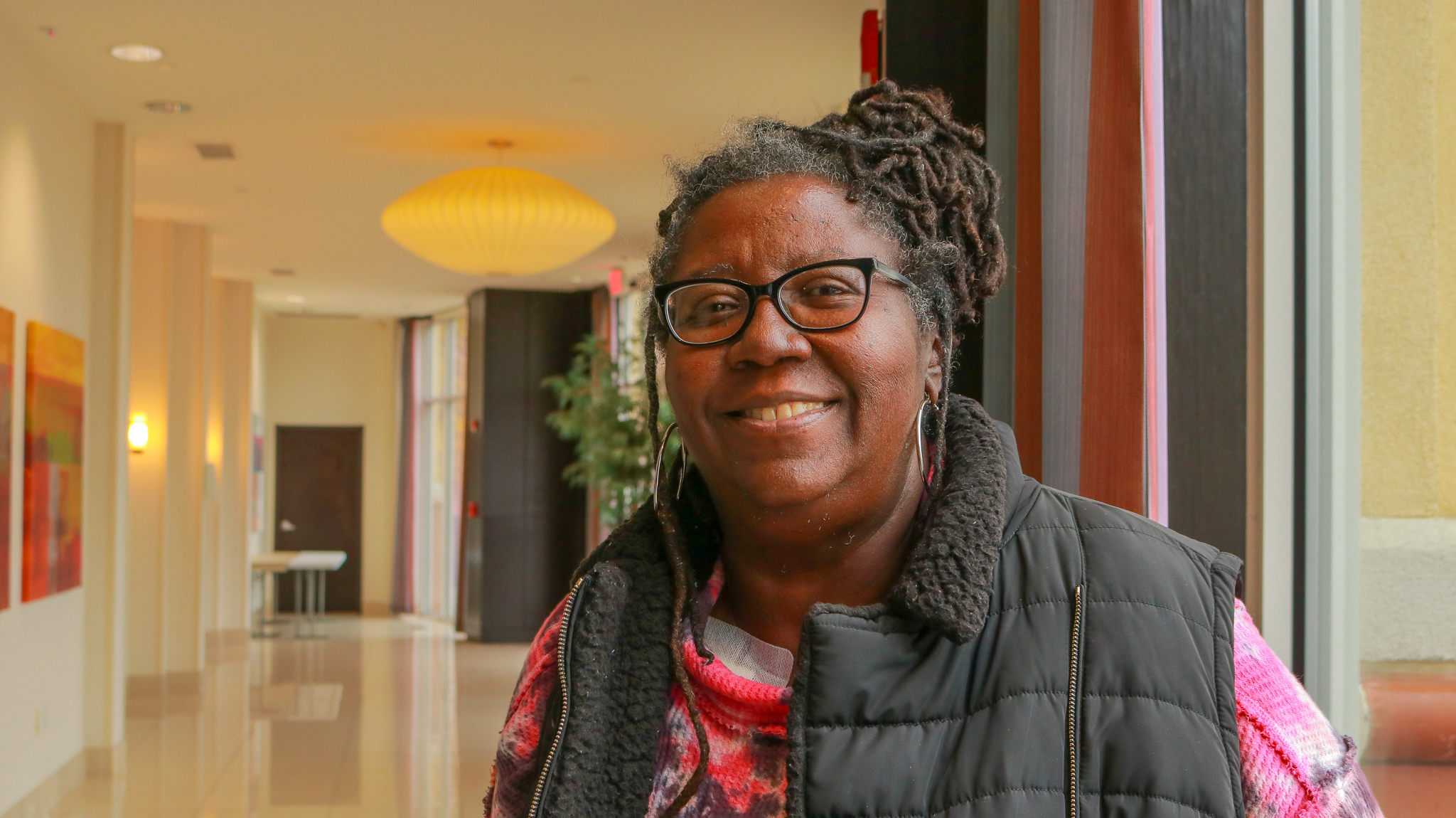
The work has never been easy and as education became inseparable from agriculture, Dawson added nutrition workshops, farm-to-table events, and chef collaborations. She navigated expectations from city leaders that farms should look manicured like parks, theft of produce, and the constant challenge of funding and labor.
Over time, the project grew. More than ten years in, Dawson now manages a four-acre demonstration farm in the heart of Russellville, complete with high tunnels, raised beds, chickens, fruit trees, and educational programming.
She also helped launch Ag First of Kentucky, an agricultural cooperative that connects Black farmers across the state. The cooperative exists to share resources—equipment, labor, knowledge—things small farmers often lack.
Underlying all of Dawson’s work is a belief that land is spiritual. Many cultures, she says, understand this connection. Modern American culture largely does not. The result has become apparently visible in climate instability, degraded monoculture food systems, and widespread illness.
She notices the changes every season as the years have passed. Weather is less predictable. Food from the store no longer tastes the way it once did. Younger generations grow up thinking grocery stores are synonymous with farms, disconnected from the labor, land, and lives behind what they eat.
“Whereas I chose not to do farming as a child, I knew how to do it because they taught us how to grow stuff,” Dawson recounted. “But as a lot of young people now don’t have any idea, they just go to Walmart. Walmart is their farm.”
Teaching, in the end, has always been Dawson’s passion. Through the Russellville Urban Gardening Project, she is educating people how food grows, how it tastes when it is ripe, and why it matters. She is reconnecting history—of land ownership, labor, and survival—to the present moment.
“[Farming] is the best thing I think I could have done,” Dawson said, describing the benefits of rural life. “There’s a certain peace that comes with that. There’s a peace in knowing how to grow things and being one with nature.”
 KY Place