
On a winding stretch of Frogtown Road in Sadieville, Kentucky, Brandi and Robert Smith are raising their family and working the land on a 175-acre farm that neither of them expected to own.
Brandi grew up in Maryville, Tennessee, while Robert is from Northern Kentucky, raised in the river towns of Dayton, Bellevue, and Fort Thomas. Today, Robert teaches at Georgetown Middle School and also coaches football, but farming has become central to the Smiths’ life together. Robert’s interest in agriculture began while the couple lived in the Tennessee mountains. Surrounded by friends who were ag teachers, he gravitated toward farm work.
“I love working hard,” Robert explained. “Anything to do with pushing the body—probably from my football background. What I enjoyed most was the camaraderie, everyone coming together to put up hay or bush hog fields. Even as an outsider, I was accepted because I worked hard.”
That sense of belonging stuck with him. When the Smiths returned to Kentucky, Robert convinced Brandi to take a leap: they bought their farm in Owen County. “Everybody thought I was crazy,” Robert admitted. “They said, ‘If you didn’t grow up on a farm, you don’t know what you’re doing.’ But I’ve always believed that if you can learn and apply knowledge, you can learn anything.”
The Smiths’ farm is tucked along Frogtown Road, a name rooted in local lore. Brandi explains: “There used to be a metal bridge near here, and people said frogs were always covering it. That’s how the road got its name.”
Although their address is Owen County, many of their neighbors fall into Scott County, a boundary quirk that makes little sense to the Smiths. “I’d love to know the history of that line,” Robert said.
Like many Kentucky farmers, the Smiths are frank about the realities of agriculture today. Rising costs—from chicken feed to diesel mechanics—make it increasingly difficult for small and mid-sized farms to turn a profit.
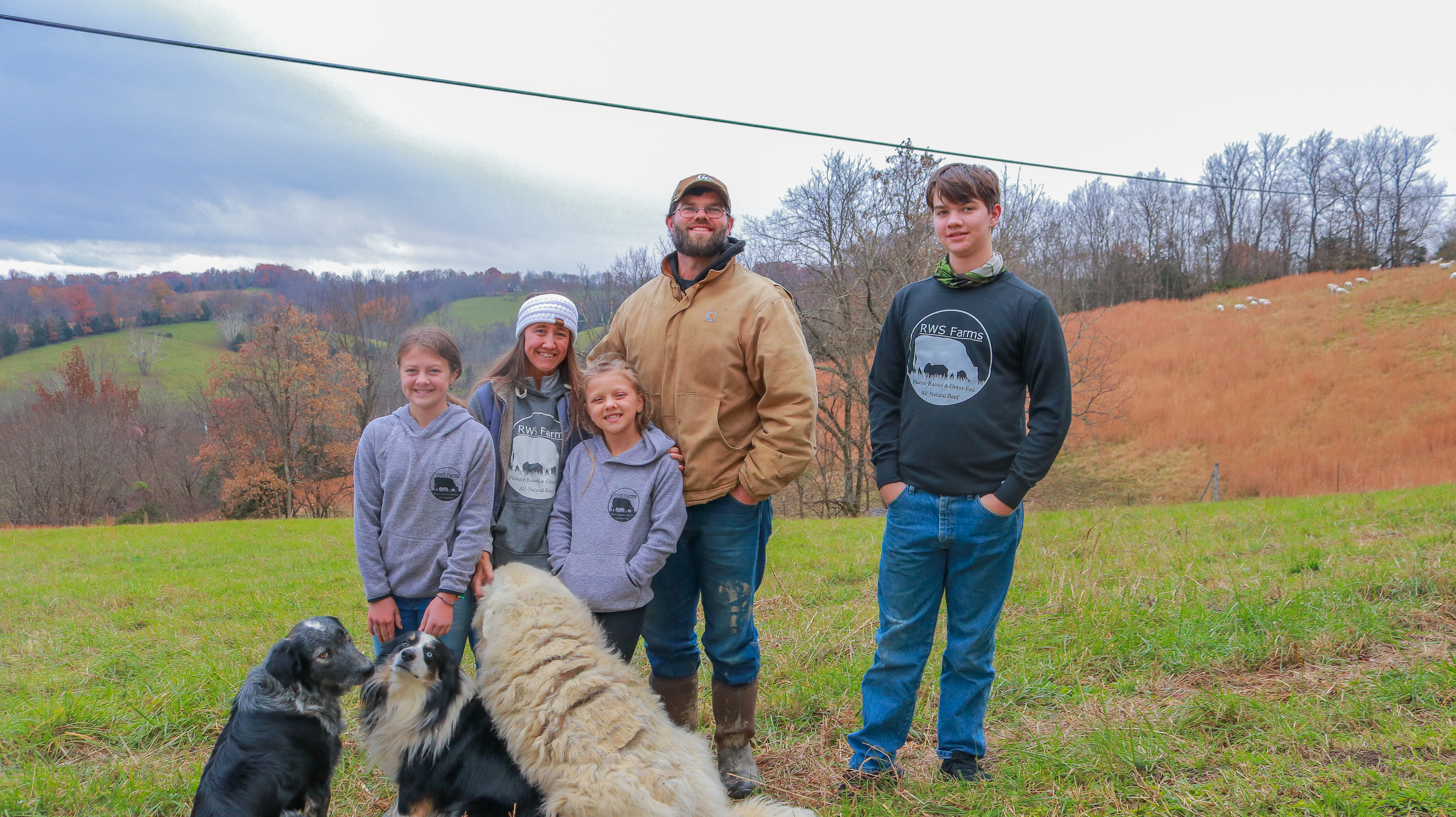 “Sometimes it feels like farming has become an expensive habit,” Robert said. “If one of my kids decides to keep this farm going, it’s worth it. But if they don’t, then what? You could sell it off for subdivisions or hunting land. And that’s what’s happening across Kentucky. In 20 years, these small farms could be gone.”
This concern echoes throughout the KY Place Oral History Project, as farmers across the state describe the pressures of modern agriculture and the uncertain future of family farms.
“There’s no giant corporation saying, ‘Hey, I’m going to consolidate these 80 acres—they’re all being bought in chunks.” Brandi said. “They may buy it for hunting land, but that’s all going to be gone in 20 years. Yeah, and then think about where the beef prices are then?”
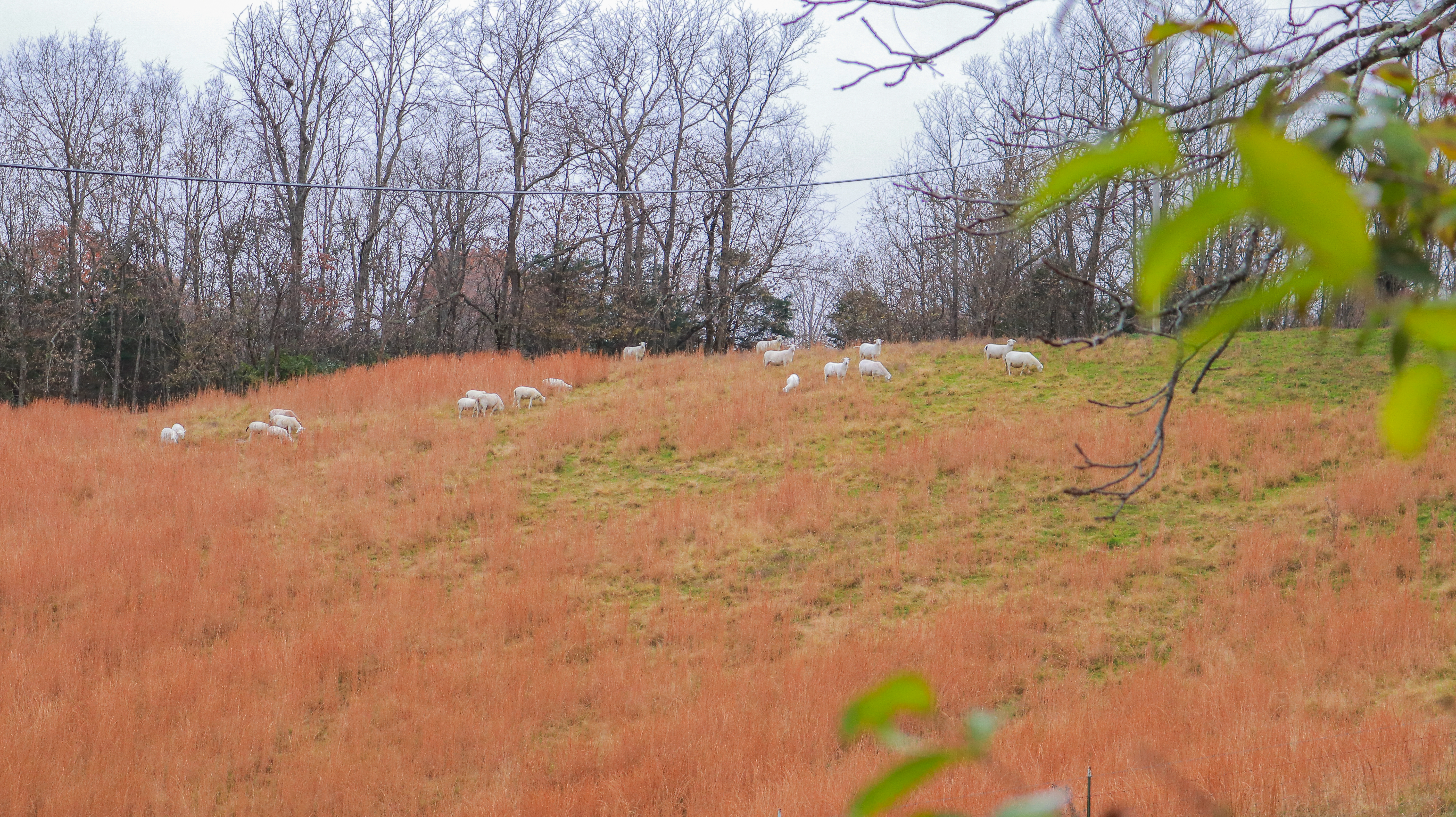
Despite the challenges, the Smiths find meaning in the life they’ve built. They raise cattle, hay, and sheep—leaning into sheep especially, since they’re easier to manage and bring better returns. During the pandemic, when schools shut down and routines slowed, Robert says farm life gave his family stability and closeness.
“We were eating supper at 5 o’clock every night, watching The Waltons together,” Robert said. “It reminded us that we don’t need to go anywhere. We’ve got everything we need right here.”
 The Smiths also take pride in reusing materials—telephone poles from job sites, discarded wood, even metal from the Amazon warehouse project in Northern Kentucky.
Every bit of repurposing helps stretch thin margins. “Almost everything I’ve built came from something someone else threw away,” Robert said.
At the end of the day, Robert says the farm gives him something his other work cannot: a clear sense of accomplishment. “On the farm, if my goal is to get up fencing, then I either did it or I didn’t. There’s no hierarchy, no boss telling you what to do who hasn’t done it themselves in 20 years. It’s rewarding because it’s all on you.”
For Brandi and Robert Smith, Frogtown Road is more than just an address. It’s where they’ve built a family, forged resilience, and joined a community of Kentucky farmers who keep working despite the odds—because, as Robert puts it, “at the end of a hard day, you know you’ve done something real.”
 KY Place